It's Never Too Late to Improve Your Dog's Behaviour: Can an Old Dog Learn New Tricks?
 Matty Al-irimi
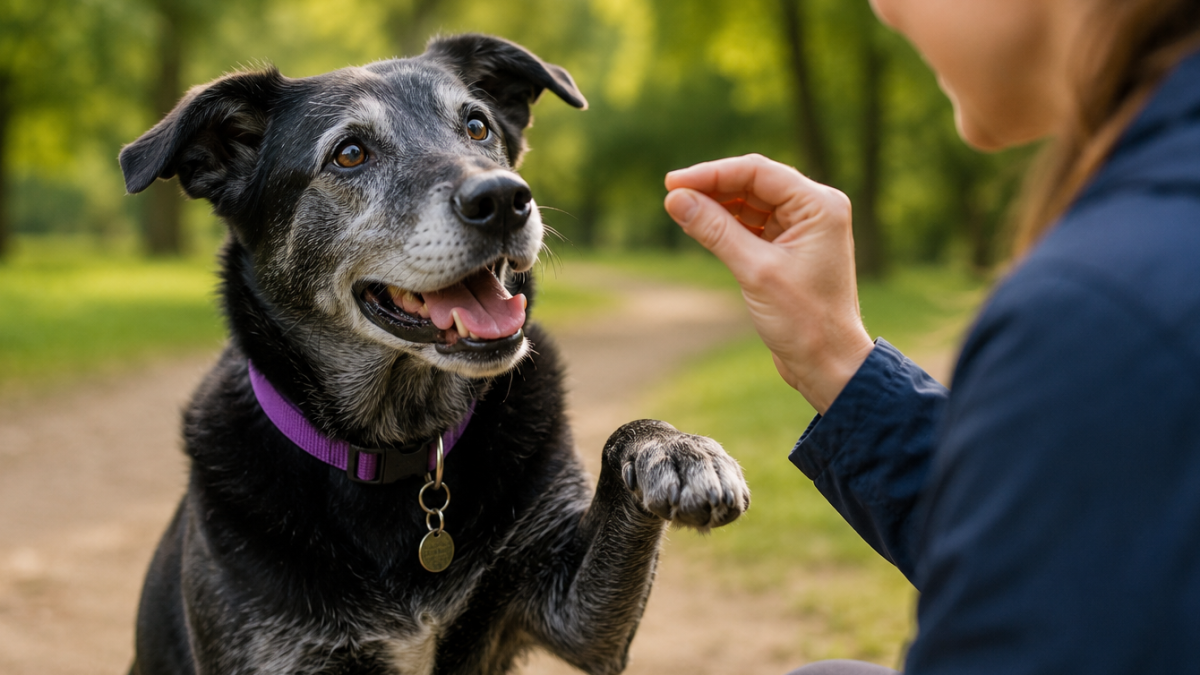
If you've ever wondered whether your dog is "too old" to change, you're certainly not alone.
It's Never Too Late to Improve Your Dog's Behaviour: Can an Old Dog Learn New Tricks?
If you've ever wondered whether your dog is "too old" to change, you're certainly not alone. Many owners of adult and senior dogs assume that unwanted behaviours are simply part of their dog's personality or that the opportunity to make meaningful improvements has long passed.
The good news is that this is one of the biggest myths surrounding dog behaviour.
Whether your dog is two, eight, or fourteen years old, behavioural change is often possible with the right assessment and behaviour modification plan. While age may influence how a programme is designed, it does not automatically prevent learning.
Can Older Dogs Learn New Behaviours?
The saying "you can't teach an old dog new tricks" has been around for centuries, but modern behavioural science tells a very different story.
Dogs continue to learn throughout their lives. Just as people can develop new habits, learn new skills, and change their responses to situations as adults, dogs retain the ability to form new associations and adapt their behaviour.
Learning is not something that only happens during puppyhood. Although puppies go through important developmental stages, the brain remains capable of change throughout life, a concept known as neuroplasticity.
This means that many adult and senior dogs are perfectly capable of participating in a structured behaviour modification programme.
Why Do Owners Wait?
As a London Clinical Animal Behaviourist, I frequently meet owners who tell me they wish they had sought help sooner.
Common reasons include:
- "I thought he'd grow out of it."
- "She's always been like this."
- "He's too old now."
- "I didn't think anything could be done."
Sometimes behaviours develop gradually over months or even years, becoming part of everyday life. Owners adapt around them without realising how much the behaviour is affecting both their dog's welfare and their own quality of life.
By the time they seek professional help, they are often surprised to learn that change is still achievable.
Behaviour Problems Don't Have an Expiry Date
Many behavioural concerns are seen in dogs well beyond puppyhood and adolescence.
These may include:
- Barking at visitors
- Reactivity towards other dogs
- Fear of unfamiliar people
- Separation-related behaviours
- Noise sensitivities
- Handling sensitivities
- Anxiety in certain environments
These behaviours are rarely about stubbornness or a dog deliberately choosing to misbehave. Instead, they often reflect underlying emotional responses that have developed over time.
Behaviour modification focuses on understanding why the behaviour occurs and developing an appropriate plan based on the individual dog's needs.
Senior Dogs Deserve Behaviour Support Too
Older dogs are often overlooked when it comes to behavioural support.
Owners may assume that because their dog is entering their senior years, it isn't worth starting a behaviour programme. In reality, older dogs deserve the same opportunity to improve their quality of life as younger dogs.
In fact, many senior dogs benefit enormously from appropriate behavioural intervention, particularly if fear, anxiety, or chronic stress are affecting their daily lives.
It's also important to recognise that behavioural changes in older dogs can sometimes be influenced by underlying medical conditions, pain, sensory decline, or age-related cognitive changes. This is why collaboration between a Clinical Animal Behaviourist and your veterinary surgeon is an essential part of the assessment process.
Every Dog Is an Individual
Age is only one factor considered during a behavioural assessment.
A Clinical Animal Behaviourist will also consider:
- Your dog's medical history
- Previous learning experiences
- Current lifestyle
- Emotional wellbeing
- Breed and individual characteristics
- The specific situations in which the behaviour occurs
No two dogs are the same, which is why behaviour modification programmes should always be tailored to the individual rather than following generic advice.
It's About Improving Quality of Life
Behaviour modification isn't simply about reducing unwanted behaviours.
The wider goal is to improve the wellbeing of both the dog and the people they live with.
For some families, this might mean feeling able to enjoy walks again. For others, it may involve reducing stress around visitors, improving confidence in everyday situations, or helping a dog feel safer in their environment.
Even modest improvements can make a significant difference to day-to-day life.
When Is the Best Time to Seek Help?
The best time to seek professional advice is whenever you become concerned about your dog's behaviour.
You do not need to wait until the behaviour becomes severe, nor should you assume that because it has been happening for years, nothing can be done.
Early intervention is often beneficial, but that does not mean later intervention is pointless.
Many dogs begin behaviour modification later in life and make meaningful progress.
Looking for a Clinical Animal Behaviourist in London?
If you're living in London and are concerned about your dog's behaviour, remember that age alone should never be a reason to dismiss seeking professional support.
Whether your dog is a young adult, middle-aged, or enjoying their senior years, a thorough behavioural assessment can help identify the factors influencing their behaviour.
Every dog deserves the opportunity to feel more confident, comfortable, and understood, regardless of how many birthdays they've celebrated.
Frequently Asked Questions
Is my dog too old for behaviour modification?
No. Dogs continue learning throughout life, and many adult and senior dogs can benefit from a professionally designed behaviour modification programme.
Can senior dogs learn new behaviours?
Yes. While every dog is different, healthy learning processes continue throughout life. Older dogs are capable of forming new associations and adapting their behaviour.
Should I see a behaviourist if my dog has behaved this way for years?
Yes. Long-standing behaviours are not necessarily permanent.
Does age affect behaviour?
Age can influence behaviour, particularly if medical conditions, pain, or cognitive changes are involved. This is why collaboration with your veterinary surgeon is an important part of assessing behavioural concerns in older dogs.
If
you're struggling with any aspect of your dog's behaviour
Get
in touch with Matty now!
Find
out more about Beyond Reactivity’s behaviour
programmes.
This blog is provided for general information purposes only and does not constitute behavioural advice and is not a substitute for professional behavioural and training advice. Always seek advice for you and your dog from a qualified behaviourist or trainer if your dog has behaviour problems or requires training.